1. Check the building
Inside a home or unit, the team looks through closets, cabinets, bathrooms and anything that could hold sharps.
Century, FL · Escambia County
Worried about what is hiding in drawers, bags or a vacant building in Century? Call (877) 812-4220. Crews check the whole space, collect sharps with tools and clean up afterward.
If anyone is in danger, call 911 first. For a suicide crisis, call or text 988.
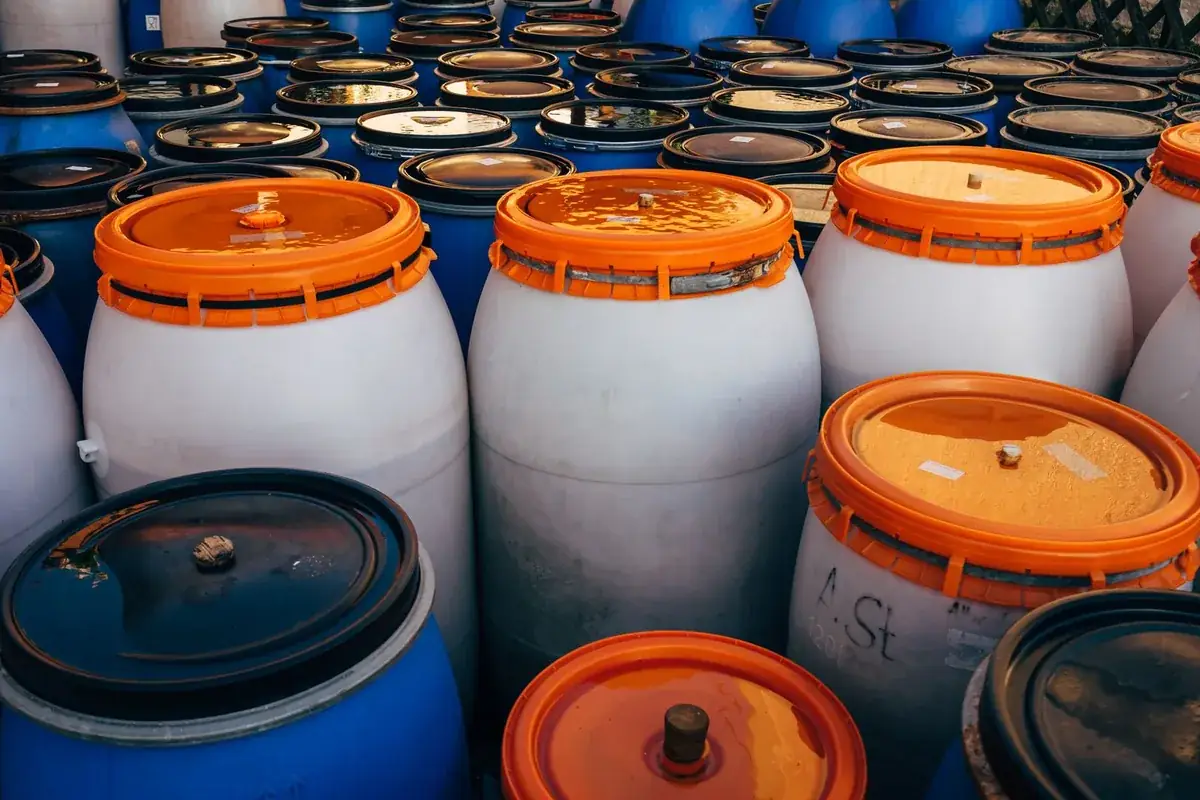
Needle removal is the work of finding and lifting loose sharps without risking a stick. It covers outdoor lots, rental units, restrooms, storage areas and any place where syringes may have been left.
If you own property in Escambia County, call Century Biohazard Cleanup Help for needle pickup before sales, repairs or new tenants. The crew checks the whole property in Century and removes sharps with the right tools and containers.
With roughly 51% of Century households renting, turnover is common and units are checked between tenants. A stick, cut or splash should be checked by a doctor without delay. Jay Hospital in Jay serves people in and around Century.
The work often covers:
Inside a home or unit, the team looks through closets, cabinets, bathrooms and anything that could hold sharps.
Sharps are separated from other items so soft goods are not handled until the sweep is done.
Each needle is picked up with a tool and dropped into a rigid, puncture-resistant container, then sealed.
The area is cleaned, searched a second time and handed back to the owner.
The cost of needle & sharps cleanup in Century, FL depends on the amount of material, how it is packed and how it is hauled.
Timing can matter. A same-day need near a school or play area may be scheduled differently from a sweep planned for next week.
| Type of job | Typical range |
|---|
Figures are planning ranges from , not a price for any specific Century property. Price drivers include number of items, where they are found, whether a sweep of a large area is needed, waste disposal. Call (877) 812-4220 any hour.
Safer options exist. Many cities and health departments have programs for found needles and may give instructions or send someone. If you are unsure, do not touch it. Leaving a needle in place and keeping others away is safer than risking a stick.
No. Crews focus on safety and cleanup, not on why the needles are there. The team asks only what it needs to plan the work, and you decide what else to share.
The crew cleans and disinfects surfaces where sharps lay, bags soiled items for disposal and checks the area again. If odor or residue is present, the team can address it or suggest the next step.
They can be tucked into couch cushions, mattress seams, drawers, vents and ceiling tiles. That is why a sharps sweep covers more than the floor. Crews check hidden spots with tools and light before declaring a room clear.
In many cases the person who calls does not need to be at the property. Ask the team how access and keys can be arranged. Many teams can also arrive in an unmarked vehicle, so ask about that if privacy matters to you.
Loose needles should not go in household trash, because they can stab sanitation workers. Rules for small amounts of household sharps vary by city and county. The local health department can say what is allowed, and a cleanup team can take larger amounts.
A full sweep finds the needles you can see and the ones you cannot.
Call (877) 812-4220